How Pest Control Services Support a Cleaner Living Environment
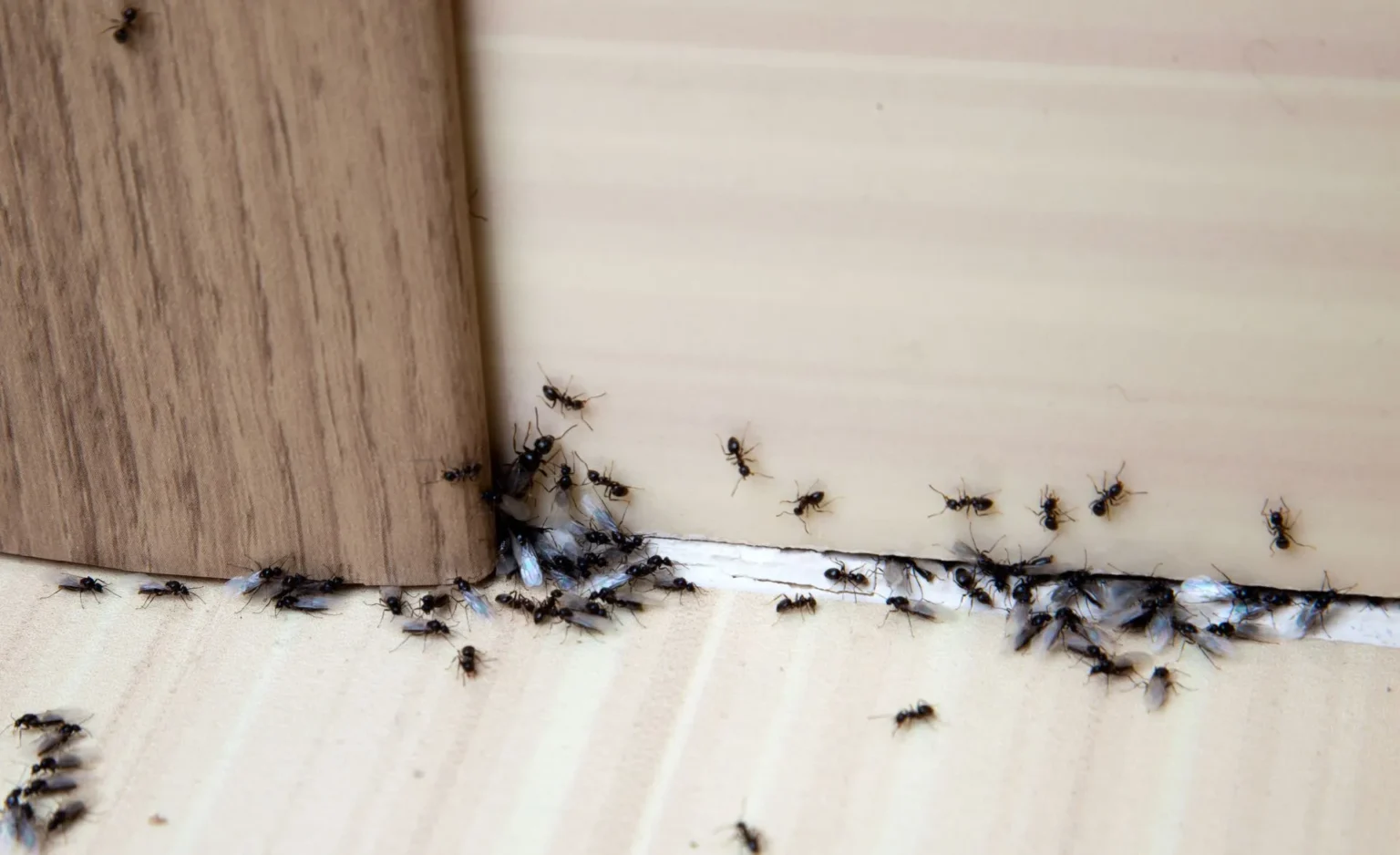
A clean home is not defined by polished countertops alone. It is shaped by what is visible and what is quietly happening behind walls, under sinks, around drains, inside attics, and along foundations. Many households work hard to keep floors swept, food stored properly, and bathrooms disinfected, yet still struggle with ants in the pantry, cockroaches near appliances, rodents in the crawl space, or mosquitoes gathering around standing water. That gap between surface cleanliness and true environmental hygiene is where Pest Control Services play a practical, often underestimated role.
People usually call for help when a problem becomes impossible to ignore. They hear scratching in the ceiling at night, find droppings behind the stove, or notice insect activity returning every few days despite repeated cleaning. By that point, the issue is no longer cosmetic. It has become a sanitation problem, a property maintenance problem, and in some cases a health problem. Professional pest management addresses all three.
The real value of pest control is not simply removing unwelcome insects or animals. It is restoring the conditions that allow a home to stay cleaner, safer, and easier to maintain over time.
Cleanliness goes beyond what the eye can see
A room can look orderly and still support pests. Crumbs tucked beneath a refrigerator, moisture under a dishwasher, grease residue inside a cabinet hinge, or a hairline gap around a pipe are enough to sustain an infestation. Pests do not need much. A mouse can slip through an opening roughly the width of a pencil. Cockroaches thrive in warm, humid voids where food residue accumulates in traces too small to notice during routine housework. Termites can remain active for months or years before visible damage appears.
This is one reason many homeowners feel frustrated after trying to solve problems on their own. They clean the obvious areas, spray what they can reach, and set traps where activity seems highest. But pest behavior is rarely limited to the obvious area. The insects on the kitchen floor may be feeding elsewhere. The wasps near a window may be entering through roofline gaps. The rodent droppings in a garage may trace back to a nesting area in insulation.
Experienced technicians approach a home differently. They look for conditions, not just creatures. Entry points, harborage zones, food sources, moisture patterns, structural vulnerabilities, and seasonal pressures all matter. When those factors are identified and corrected, the living environment becomes cleaner in a deeper sense. It is less hospitable to contamination, less prone to recurring pest activity, and easier to keep under control.
The sanitation risks pests create indoors
Pests compromise cleanliness in direct and indirect ways. The direct effects are easy to understand. Rodents leave urine and droppings. Cockroaches shed body parts and deposit fecal spotting in cabinets, wall voids, and near food preparation areas. Flies move from waste to human spaces with little regard for boundaries. Pantry pests contaminate dry goods and force people to discard food that may look intact but is no longer trustworthy.
The indirect effects often do more damage over time. A family may begin storing food improperly because they are constantly moving items around in response to pest sightings. Clutter builds as people avoid certain areas or postpone organizing infested storage spaces. Moisture problems worsen because activity behind walls distracts from the original leak. Homes that feel unsafe or unclean tend to be maintained less confidently, and that can create a cycle where pests and poor sanitation reinforce each other.
I have seen kitchens that were cleaned daily but remained under pressure from German cockroaches because of a hidden compressor drip tray beneath the refrigerator and food debris under a warped base cabinet. I have seen carefully kept basements develop a rodent issue because seasonal storage boxes were stacked tightly against an exterior wall where a gap around an old utility line had gone unnoticed. In both cases, ordinary cleaning habits were not the problem. The environment needed a more technical inspection.
Why professional treatment supports better hygiene
The phrase Pest Control Services often gets reduced to the idea of spraying chemicals, but professional work is much broader than that. Effective pest management usually combines inspection, identification, exclusion, sanitation guidance, targeted treatment, and follow-up. That combination is what supports a cleaner living environment.
Accurate identification comes first. Different pests demand different strategies. Ants trailing to sugar are handled differently from ants nesting in damp wood. Small flies around a sink may be drain flies, fruit flies, or fungus gnats, each tied to distinct breeding conditions. Treating the wrong pest wastes time and can leave the underlying sanitation issue untouched.
Targeted treatment matters because broad, indiscriminate application is rarely the best answer indoors. In well-run service programs, technicians focus on cracks, voids, nesting zones, and specific transit routes. They pair treatment with recommendations that reduce food and water access. This might include repairing weather stripping, sealing pipe penetrations, improving ventilation, or changing how pet food is stored overnight. Those practical adjustments often make the difference between a temporary reduction and a stable, cleaner home.
Follow-up is another advantage. One service visit can lower activity, but persistent issues usually require reassessment. Eggs hatch, weather shifts, and hidden access points become obvious only after initial pressure drops. Good service is iterative. It responds to what the home reveals over time.
Rodents change the cleanliness equation fast
Few pests alter a home’s sanitation status as dramatically as rats and mice. A single mouse may seem minor at first, but the evidence accumulates quickly. Droppings appear in drawers, behind pantry items, and along baseboards. Packaging gets gnawed open. Insulation becomes nesting material. Odors develop in enclosed spaces. In more serious cases, contaminated surfaces need careful cleaning protocols rather than ordinary sweeping or vacuuming, especially where droppings have built up.
Rodent activity also exposes weak points in housekeeping systems. Bulk food storage that seemed fine may not be sealed tightly enough. Garage organization may leave too many hidden corridors behind boxes and equipment. Pet feeding routines may provide overnight food access. Trash lids may not close properly. Professionals tend to spot these patterns quickly because they see them across many homes.
There is also the matter of timing. Rodents often move indoors as outdoor temperatures change, food availability drops, or heavy rain disrupts nesting. Homeowners may interpret the first signs as isolated events, when in reality the structure has already become part of a regular travel route. By sealing entry points and reducing attractants early, pest professionals help prevent a modest nuisance from turning into a sanitation-intensive cleanup.
Insects leave their own form of disorder
Insects are smaller, but their impact on cleanliness can be just as disruptive. Cockroaches are a common example because they thrive in the hidden margins of daily life. They settle behind refrigerators, dishwashers, and stoves, near water lines, under sinks, and inside cabinet voids. Their presence often signals more than a random intrusion. It usually points to food residue, moisture, or harborage that ordinary routines are not reaching.
Ants present a different challenge. Some species invade for sweets, others for proteins, and still others because landscaping, tree contact, or foundation cracks provide easy access. A visible ant trail can make a kitchen feel unclean immediately, even when counters are wiped and food is put away. What the trail really indicates is that a colony has found reliable access. Stopping that access, whether through baiting, exclusion, or environmental adjustment, restores not just comfort but functional hygiene.
Stored-product pests such as weevils or moths are another overlooked issue. They turn dry food storage into a contamination concern and often spread from one item to many before anyone notices. Professional help is especially useful when repeated pantry infestations suggest a source beyond a single box of flour or rice.
Then there are occasional invaders that create stress more than contamination, spiders, centipedes, silverfish, earwigs. Even when these pests are less dangerous, their presence often reveals excess moisture, clutter, or gaps in sealing. Addressing them can improve overall household conditions in ways that go well beyond the pest itself.
Moisture control is often the hidden turning point
If I had to choose one factor that most often separates recurring pest problems from stable homes, it would be unmanaged moisture. Water changes everything. It softens wood, attracts insects, supports mold, and gives pests a dependable resource even when food is tightly controlled. Homes with chronic condensation, slow leaks, poor drainage, or damp crawl spaces are usually harder to protect.
This is where pest professionals often overlap with broader property care. A technician may notice that the downspouts discharge too close to the foundation, that mulch is piled against siding, or that a bathroom exhaust fan is not venting effectively. None of these conditions are pest treatments by themselves. Yet all of them influence whether the home stays dry enough to discourage infestation.
A cleaner living environment is easier to maintain when the structure itself supports cleanliness. Dry spaces collect less grime, support fewer insects, and allow stored items to remain intact. That is why the best Pest Control Services often sound partly like maintenance advice. They address the ecosystem of the home, not just the immediate outbreak.
What homeowners can expect from a thorough service visit
The most useful service visits are investigative. Rather than treating every room the same way, a strong technician reads the property, asks questions, and traces patterns. A recent spike in ant activity after landscaping changes means something different from a winter rodent problem in an older house with detached garage access. Good pest work depends on context.
A thorough visit often includes several practical steps:
- Inspection of high-risk areas such as kitchens, utility rooms, basements, attics, garages, and exterior entry points.
- Identification of the specific pest and the conditions supporting it.
- Targeted treatment or control measures designed for that pest and that part of the structure.
- Recommendations for sanitation, storage, moisture reduction, or repairs that lower future risk.
- A follow-up plan if the pest life cycle or severity of the issue requires continued attention.
What separates average service from strong service is explanation. Homeowners should leave the visit understanding not only what was done, but why the problem developed in the first place. That knowledge helps them keep the home cleaner and less vulnerable between appointments.
The balance between treatment and prevention
There is a tendency to think of pest control as either reactive or preventive, but in practice the two are tightly connected. Once a pest issue is active, treatment is necessary. Yet treatment alone rarely creates a durable clean environment unless prevention follows. If an ant colony is eliminated but tree branches still bridge the roofline, the pressure may return. If rodents are trapped but food is stored in thin packaging at floor level, the structure remains inviting.
Preventive service can be especially valuable in regions with clear seasonal pest patterns. Warmer months may bring ants, mosquitoes, and stinging insects. Cooler months often drive rodents indoors. Termite pressure depends on climate, soil conditions, and construction details. Regular inspections help catch changes before they become full sanitation problems.
That said, not every property needs the same service frequency. A well-sealed newer home on a dry lot may need less ongoing attention than an older https://johnathanwojs331.lowescouponn.com/pest-control-services-for-basements-attics-and-crawl-spaces house with crawl space moisture, mature trees touching the roof, and nearby water sources. Good providers do not treat every client as if they have the same risk profile. They adjust based on evidence, history, and building conditions.
Cleaner homes often start outside
Indoor pest issues frequently begin in the yard, along the exterior wall, or at the edge of the foundation. Overgrown shrubs trap moisture and give pests cover. Firewood stacked against the house invites insects and rodents closer to entry points. Clogged gutters create damp zones attractive to many species. Poor grading can keep the base of the structure wet for days after rain.
This outdoor-to-indoor connection is one reason quick fixes sometimes fail. A homeowner may address ants in the kitchen while ignoring the colony activity along the patio edge. They may worry about wasps near a bedroom window without noticing a roofline gap or sheltered eave where nest building keeps recurring. Pest control professionals typically inspect these transition zones because they are where future problems take shape.
For families trying to maintain a genuinely clean environment, exterior upkeep is part of indoor hygiene. The line between the two is thinner than most people realize.
When health sensitivities raise the stakes
Some households feel the impact of pests more sharply than others. Young children crawl on floors and put objects in their mouths. Older adults may be more affected by disrupted sleep or stress from recurring infestations. People with asthma or allergies can react to cockroach debris, rodent allergens, or the damp conditions that often accompany pest activity. In these cases, restoring a clean environment is not simply about comfort. It is about reducing avoidable strain inside the home.
That is why communication matters. Households with infants, pets, fish tanks, respiratory concerns, or chemical sensitivities should discuss those details before treatment begins. Responsible providers adjust methods, placement, and scheduling accordingly. Professional pest control is not just about efficacy. It is also about using judgment in lived spaces where safety, hygiene, and practicality have to coexist.
Signs that a recurring problem needs expert attention
Some pest issues are obvious from the start. Others linger in a gray area where people keep trying one more store-bought product, one more deep clean, one more trap placement. A few signs usually indicate it is time to bring in a professional.
- Activity returns within days or weeks after treatment.
- Droppings, shed skins, or gnaw marks keep appearing in new locations.
- You notice odors, moisture, or damage but cannot find the source.
- Multiple pest types show up at once, often a clue that larger environmental conditions are off.
- The problem involves food storage areas, sleeping areas, or vulnerable household members.
These situations tend to benefit from a broader diagnosis rather than more repetition of the same tactic. Once a home reaches that point, professional assessment often saves both time and money.
The long-term effect on daily living
A home with unmanaged pest pressure never quite feels settled. People clean reactively instead of systematically. They avoid certain cabinets, stop using parts of the basement, keep food in awkward places, or stay alert for movement near baseboards and sinks. That low-grade vigilance wears on people. It changes how they use their own space.
When Pest Control Services are done well, the improvement is not limited to fewer sightings. The home functions better. Storage becomes simpler because food and linens can be kept where they belong. Cleaning becomes ordinary again instead of defensive. Repairs are easier to prioritize because underlying conditions are visible rather than masked by infestation. The atmosphere changes too. There is less uncertainty, less embarrassment, and less background stress.
Professionals cannot eliminate every environmental factor forever. Weather changes, neighboring properties matter, and some structures have persistent vulnerabilities. But they can reduce pressure sharply, correct avoidable conditions, and create a maintenance plan that supports real cleanliness rather than the appearance of it.
Choosing service with a practical eye
Homeowners often focus on price first, which is understandable, but the cheapest option is not always the most effective if it skips inspection, rushes communication, or treats symptoms without addressing access points and sanitation factors. Better questions tend to be more useful. How thorough is the inspection? Will the provider explain what they find? Do they offer exclusion advice? Is follow-up included when necessary? Are recommendations tailored to the home or read from a script?
The strongest providers usually combine technical knowledge with clear communication. They know when a moisture problem is more important than another treatment pass. They can distinguish between a minor occasional invader issue and the early stage of a larger infestation. They do not promise magic, because pest control is rarely magic. It is careful observation, targeted action, and consistent prevention.
That practical, grounded approach is exactly how pest control supports a cleaner living environment. It removes contamination sources, limits structural conditions that attract pests, and helps households maintain spaces that are not just tidy but truly healthier to live in.
A clean home should feel stable. Pest management, at its best, helps create that stability where it matters most, in the hidden corners, vulnerable entry points, and environmental conditions that everyday cleaning cannot solve on its own.
Affordable Pest Solutions LLC
Phone number: +19732299547
FAQ About Pest Control Services
How much does pest control charge?
For a standard 1,500-square-foot home, professional pest control charges generally average $100 to $300 for an initial visit, with ongoing monthly services running $40 to $75 per visit and one-time emergency exterminations costing $100 to $600, depending heavily on the specific pest and the severity of the infestation.
What is the hardest pest to get rid of?
Bed bugs are widely considered the hardest household pest to get rid of, closely followed by German cockroaches and subterranean termites.
What is included in a pest control service?
A standard pest control service includes a property inspection, targeted treatments, and prevention advice. It typically covers common pests like ants, spiders, and cockroaches, using sprays, baits, or traps.